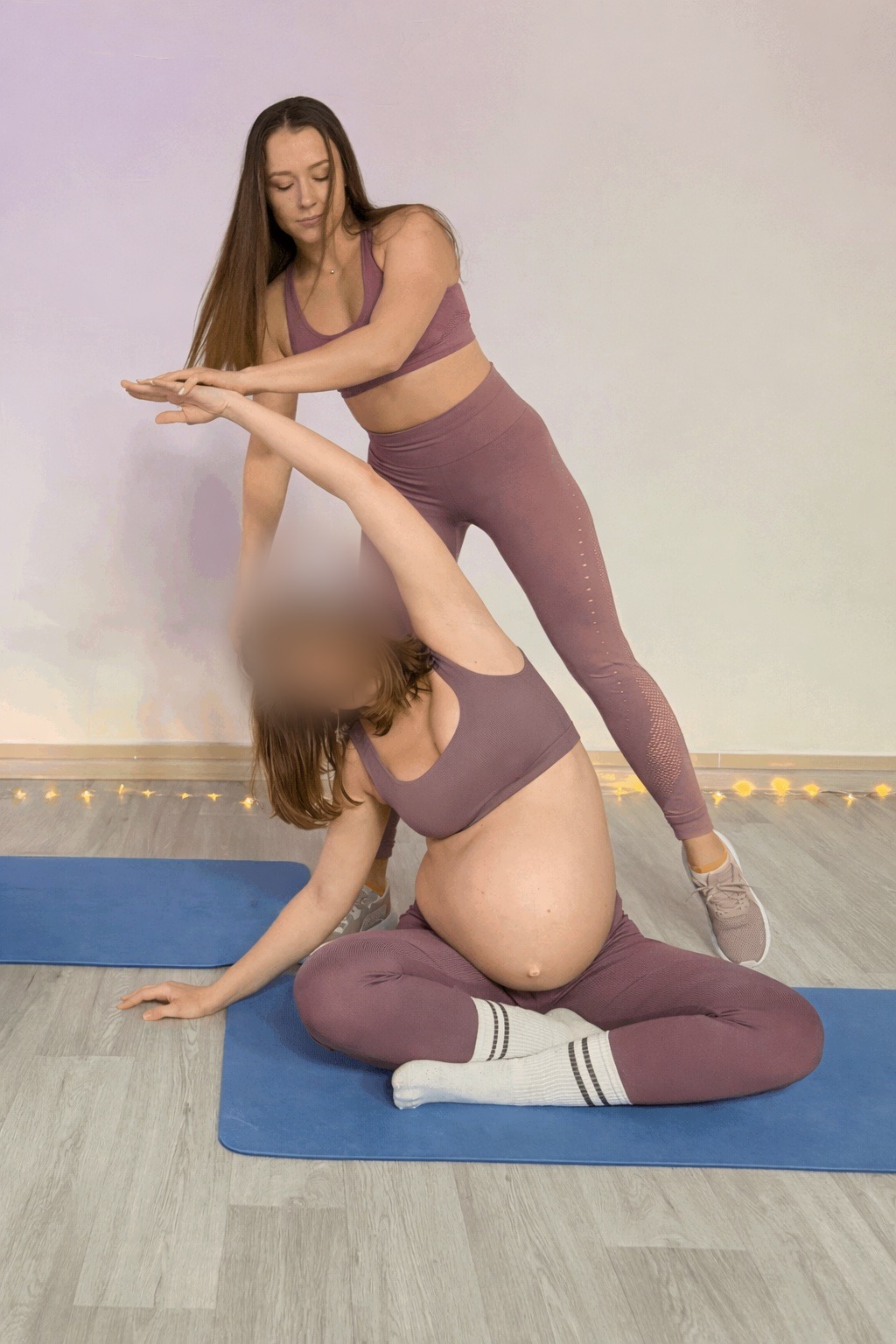
In short. Kegel exercises before pregnancy are not a “just-in-case” measure but a real investment in the health of the upcoming pregnancy and a faster recovery after birth. The pelvic floor works under the pressure of a growing uterus for 9 months in pregnancy, stretches 2–3 times in birth and rebuilds afterwards. If it is strong and elastic before pregnancy, the path is easier; if it is weak, the risk of incontinence, organ prolapse and a long recovery is higher. First noticeable changes from regular practice come in 2–3 weeks; visible results in 2–3 months; ideal window is 6–9 months before planning. Standard set: 10 slow contractions + 10 fast + 5 minutes of reverse Kegel (relaxation) – 10–12 minutes a day in total. A tight, over-tense pelvic floor is as problematic as a weak one: it does not open during birth and gets in the way of the baby passing through, which is why the skill of relaxation matters more than strength. A simple test for the right muscles: try to stop the stream of urine mid-flow (test only, do not do it regularly). Kegel is safe on any day of the cycle.
Pelvic floor strength without elasticity works against you in birth: a tight, over-tense pelvic floor does not open, gets in the way of the baby passing through and increases the risk of tearing – which is exactly why reverse Kegel (relaxation) matters more than the number of contractions.
The pelvic floor is a group of muscles that holds the pelvic organs. People start thinking about it when something has already gone wrong: leakage after birth, a heavy feeling in the lower belly, or birth with complications. Training before pregnancy changes this picture – the pelvic floor enters pregnancy prepared, and the whole path goes more easily.
This guide is built from practice and current clinical guidelines. It applies to women planning pregnancy and to women with no such plans – for general health.
Contents
- Why it matters before pregnancy
- What the pelvic floor is
- Kegel: technique
- Reverse Kegel: relaxation
- Common mistakes
- How to fit it into the day
- How long it takes
- Connection with other preparation steps
- When you need a specialist
Why it matters before pregnancy
Pregnancy is nine months of load on the pelvic floor. The growing uterus presses on it vertically downwards. Relaxin (the hormone that softens ligaments) makes tissues more pliable. By the third trimester the pelvic floor is already working at its limit.
In birth the pelvic floor stretches – the baby passes through it. After birth tone returns, but if the starting base was weak, recovery drags on. It is not a catastrophe but it is unpleasant: leakage of urine when coughing and running, a sense of heaviness, in the worst case – pelvic organ prolapse.
What training before pregnancy gives:
- In pregnancy. Muscle tone helps carry the weight of the uterus more easily. Less pulling in the lower back and pelvis. Lower risk of bladder issues.
- In birth. Prepared muscles relax and open better. The baby passes through more easily. Lower risk of tearing.
- After birth. Tone returns faster. Recovery in 3–6 months instead of 6–12. Lower risk of postpartum complications.
- Long-term. Lower risk of pelvic organ prolapse in perimenopause and menopause.
This is prevention not only of post-birth problems but of problems that come with age regardless of pregnancy.
What the pelvic floor is
The pelvic floor is a layer of muscles and ligaments that forms the “floor” of the pelvis. The urethra, vagina and rectum pass through it. These muscles:
- Hold the pelvic organs in place (uterus, bladder, bowel).
- Control the sphincters – participate in continence of urine and stool.
- Provide sensation during intimacy.
- Stabilise the core together with the diaphragm and the transverse abdominal muscle.
It is not a single muscle but a coordinated team. And like any team, they work in tandem with breathing. So pelvic floor training is not “contract-relax” but coordinated work: inhale widens the lower ribs and relaxes the pelvic floor, exhale gently lifts it.
The diaphragm and the pelvic floor are physiologically linked: they move in sync. This link is covered in more detail in the breathing exercises article, but the basic principle is the same for pregnancy preparation.
Kegel: technique
The classical Kegel is a contraction of the pelvic floor muscles. The basic set:
Slow Kegels
- Seated or lying down, breathing free. Glutes and abs relaxed.
- Contract the pelvic floor muscles as if you wanted to stop the stream of urine. Hold the tension for eight to ten seconds.
- Fully relax for eight to ten seconds. This is critical – without full relaxation the muscle does not rest or grow.
- Repeat ten times.
It matters fundamentally: glutes and abs do not work. If you feel a glute or the belly tense, the surface muscles are working as compensation rather than the pelvic floor. Reduce effort, search for isolated work.
Fast Kegels
- Same starting position.
- Ten fast contractions of one second, with no long hold.
- Full relaxation between contractions.
Fast Kegels train the muscle’s ability to react quickly – useful when coughing, sneezing, running.
Training principles
- Regularity. Once a day every day is more effective than three times a week for half an hour.
- Progression. Start with five seconds of hold, gradually build to ten.
- Full relaxation. No less important than the contraction.
- Free breathing. Do not hold the breath – Kegel and breathing work in parallel.
Reverse Kegel: relaxation
Strength without elasticity is useless. An over-tense pelvic floor is as dysfunctional as a weak one: in birth it does not open, in everyday life it causes discomfort and pain. So we always train in both directions.
Technique
- Lying on your back, knees bent, feet on the floor. Or lying on your side.
- Inhale through the nose – gently open the pelvic floor down and wide. This is the opposite movement to a Kegel – not a squeeze, but a drop.
- Exhale – neutral position, no active contraction.
- Five minutes of calm practice.
If it is hard to feel the “downward” movement – try to imagine the pelvic floor gently opening like a bud. Or that you are gently letting something pass through it downwards. It is a paradoxical sensation, and it often takes two to three weeks of practice to become accessible.
When reverse Kegel is especially needed
- If there is tension in the pelvis, hips, lower back.
- If there is a history of chronic stress, anxiety – the pelvic floor often clenches involuntarily.
- If you plan a vaginal birth – reverse Kegel is critical for opening in birth.
- If there are intimacy issues – over-tension is often the root.
Common mistakes
- Only Kegel, no relaxation. The most common mistake. Contracting without full relaxation is the path to over-training and stiffness.
- Engaging glutes and abs. That is not Kegel, that is surface work. Reduce effort to isolated pelvic floor work.
- Holding the breath. Breathing is free. If you catch breath holding – the effort is too high.
- Doing Kegel regularly as “stopping the stream” in the toilet. Only as a one-off test. Regularly it is a harmful habit for the bladder.
- Expecting instant results. The pelvic floor responds to regular work in two to three weeks. One day does not make the weather, regularity does.
- Too much. An hour of Kegel a day is unnecessary and harmful. Ten to twelve minutes is the optimum.
How to fit it into the day
Pelvic floor training is not a “separate workout”. It is ten to twelve minutes that fit into any day. A few working scenarios:
- Morning. Right after waking, lying in bed: five minutes of reverse Kegel + ten slow + ten fast. Ten minutes before getting up.
- Evening. Before sleep, lying down: the same set. Helps falling asleep through relaxation.
- Through the day. Kegels can be done sitting – in the car at a red light, in a queue, at the computer. No one notices. Ten slow contractions in spaced sets.
- With a habit anchor. Attach to an existing ritual: brushing teeth, coffee, the commute. That builds a stable habit.
What matters is not perfect technique in the first week but regularity. After a month it happens on its own.
How long it takes
- 2–3 weeks. The first sensations have changed. You know where these muscles are. Control has appeared.
- 2–3 months. Visible tone. Former “weak points” (for example, slight leakage when sneezing) go away. This is already the minimum for preparation for pregnancy.
- 6–9 months. Optimum. The pelvic floor is strong and elastic, control is automatic, there is a reserve for 9 months of pregnancy.
If pregnancy happened earlier than planned – no catastrophe. Continue with the programme of the relevant trimester. More on this – Kegel exercises during pregnancy.
Connection with other preparation steps
The pelvic floor is not the only component of preparation. The full picture:
- Breathing. Diaphragmatic breathing is the foundation on which the pelvic floor works. Without correct breathing Kegel works at 30% effectiveness.
- Strength base. Squats, glute bridge, rows without weight or with light weights. This is core stability and strong glutes – the support on which the growing belly will rest.
- Weight and cycle. BMI in range (or at least below 30) and a regular cycle – signs of hormonal health. More on this – preparing your body for pregnancy and exercise and fertility.
- Lifestyle. Sleep, nutrition, stress – affect the cycle and fertility more than training does.
Pelvic floor training is an important but not the only block. It fits into the overall preparation.
When you need a specialist
Most women can start pelvic floor training on their own. But there are situations where it is useful to turn to a specialist – a perinatal fitness trainer or urogynaecologist – right away:
- There are already symptoms – urine leakage when sneezing, coughing, running; a feeling of heaviness in the lower belly.
- A previous birth had complications (tearing, episiotomy), and the next pregnancy is being planned.
- Chronic pelvic pain, painful sensations during intimacy.
- You cannot isolate pelvic floor work – the glutes or abs engage instead.
- A history of pelvic organ prolapse.
In these cases self-directed work can be ineffective or even make things worse. One or two visits to a specialist give a precise assessment and an individual plan.
In my work with women planning pregnancy, the pelvic floor assessment is part of the intro session. Then we build a programme around your specific situation: sessions in Samara or online, formats and pricing are discussed individually.
If you are only at the start of the path – ten to twelve minutes a day already change the picture in a month. The main thing is to start.