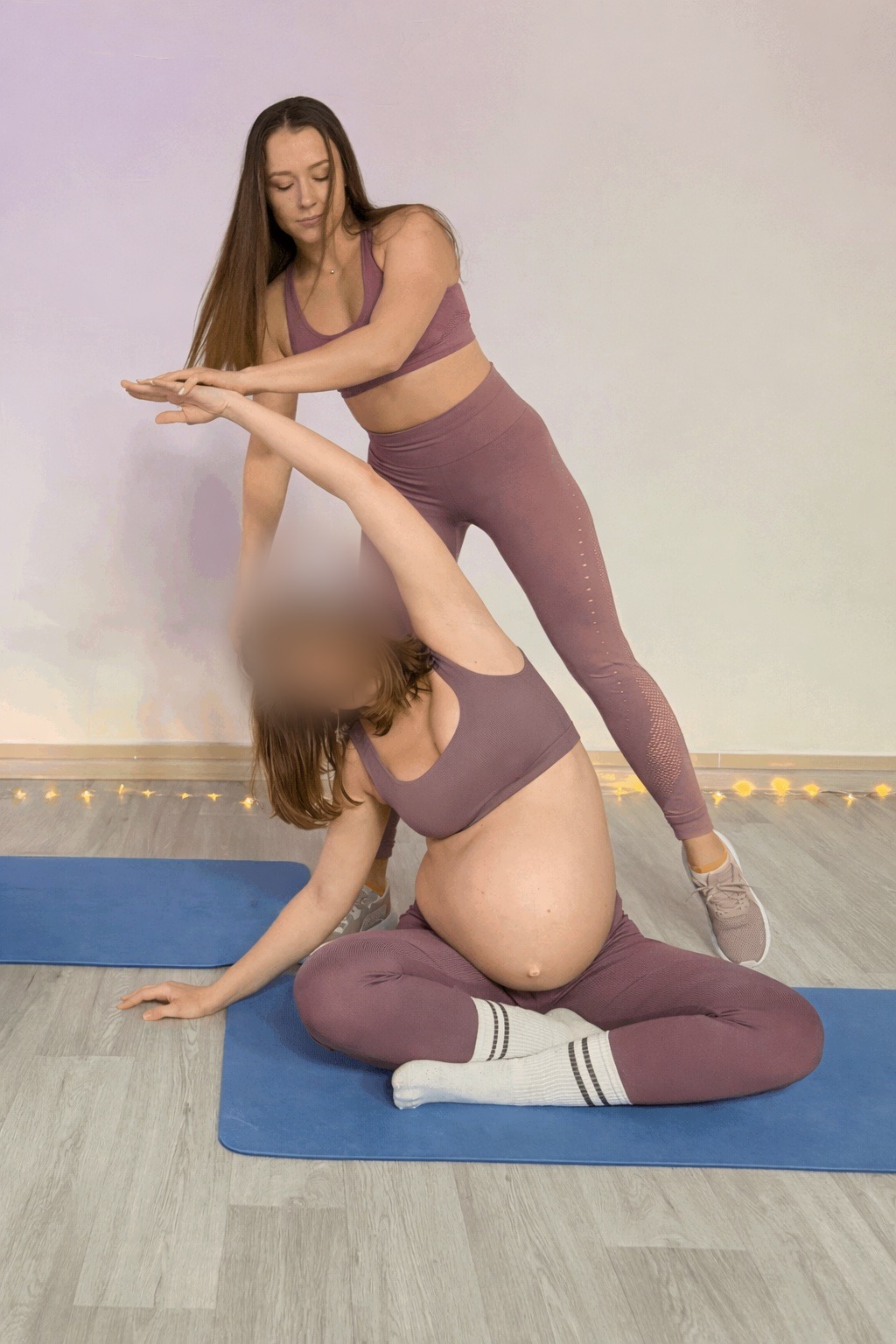
In brief. Exercise while breastfeeding is safe and does not harm lactation – this is confirmed by current clinical guidelines, lactation support organisations, and systematic reviews. Regular moderate activity reduces the risk of postpartum depression, improves sleep, and speeds recovery. The main myths are debunked: lactic acid does not make milk bitter with normal fitness (the myth came from a single 1990s study with exhaustion-level load), training does not “dry up” milk – lactation works on supply and demand and a 30-60 minute session does not break it. Breastfeeding burns 400-600 kcal a day, training adds 200-500, so the calorie deficit should be moderate – no more than 300-500 kcal, otherwise milk and energy suffer. Realistic weight loss pace is 0.3-0.5 kg per week. The most convenient time to train is right after feeding (breasts are not full, you have a free 1-2 hours). Running and skipping – not before 6 months and only with a healthy pelvic floor. The main rule – drink 300-500 ml of water before and after training.
Breastfeeding burns 400-600 kcal a day, and when training is added, the calorie deficit should not exceed 300-500 kcal – otherwise both milk supply and the mother’s energy suffer. Realistic weight loss while breastfeeding is 0.3-0.5 kg per week.
The main question: can you or not
The short answer is yes. Physical activity during breastfeeding is not only allowed but beneficial – for both the mother and lactation. But there are so many myths around this topic that many women either fear starting or train with guilt.
Let us look at what the science says, what is safe, and what is actually worth avoiding.
Myths about exercise and breast milk
Myth 1: training “dries up” milk. One of the most persistent myths. Moderate physical activity does not reduce milk supply. Lactation is driven by supply and demand: the more often and more fully the baby feeds, the more milk is produced. A 30-60 minute session does not interfere with this.
Lactation problems can appear with extreme load – marathon-level training, sharp calorie deficits, chronic sleep deprivation. But that is not regular fitness; that is competitive sport or very strict restriction.
Myth 2: milk becomes “sour” after a workout. This myth is based on a single old study that showed an increase in lactate in breast milk after intense exhaustion-level exercise. Subsequent studies showed that with moderate load, lactate changes are insignificant, and most babies do not respond to these changes by refusing the breast.
If your baby is fussy after a feed, the cause is most likely not the workout – it is one of dozens of other factors: tiredness, colic, routine, teething.
Myth 3: you must pump before training. There is no scientific basis for mandatory pumping. It is more comfortable to train when the breasts are not full – but that is a comfort question, not a safety one for the milk. Feed the baby before the session if possible and train calmly.
Myth 4: exercise worsens milk composition. Studies show that moderate activity does not change the macronutrient composition of milk – protein, fat, and carbohydrate content stays stable. In fact, physically active mothers sometimes show slightly higher levels of immunoglobulins in their milk.
What the science says
Large reviews, including current clinical guidelines, confirm: moderate physical activity is safe while breastfeeding and does not negatively affect lactation, milk quality, or infant growth.
More than that, regular training helps nursing mothers:
- Improve mood and reduce anxiety
- Recover muscle tone and posture
- Sustain healthy energy levels
- Improve sleep quality (even when there is little of it)
- Reduce the risk of postpartum depression
Physical activity is one of the few accessible tools that demonstrably improves emotional state in the postpartum period. And for a nursing mother living with chronic sleep loss and constant contact with the baby, this is especially valuable.
What is safe
Most moderate activities are compatible with breastfeeding.
Walking. The most accessible option. With a pram, with the baby in a sling. 30-40 minutes of brisk walking is already a full session that improves circulation, supports muscle tone, and aids recovery.
Specialised postpartum fitness. Programmes adapted to the postpartum state account for everything: pelvic floor, diastasis, hormones, energy. This is the optimal choice for nursing mothers. More on postpartum recovery on a separate page.
Swimming. Can be started after postpartum discharge stops (usually 6-8 weeks). Water unloads the joints and spine, which feels particularly good after months of carrying the baby.
Yoga and stretching. Gentle formats that release tension, improve mobility, and rebuild the connection with the body. Choose adapted programmes rather than standard classes.
Strength training. Allowed, with a gradual start. Begin with light weights and basic patterns. Avoid exercises that create strong pressure on the pelvic floor and chest.
Hydration: drink enough
This is probably the only aspect where training can actually affect lactation – through dehydration. A nursing mother already needs more fluid, and exercise increases water loss through sweat.
The rule is simple: drink before, during, and after training. Listen to thirst, but do not wait for a dry mouth. Keep a water bottle next to you during the session. If your urine is light – hydration is fine. If dark and concentrated – drink more.
Caffeinated drinks and sports energy drinks are not the best choice while breastfeeding. Plain water, with lemon or berries if you like, is enough.
When to train: timing around feeding
The ideal is to train right after feeding, when the breasts are relatively empty. It is physically more comfortable: no heaviness, no risk of leaking, no restriction of movement.
If you cannot tie training to a feed, that is fine. Just wear a supportive sports bra and use breast pads if there is leakage.
The interval between training and the next feed is not critical. If the baby is hungry right after your session – feed calmly. The milk is safe.
Intensity: how not to overdo it
Moderate intensity is your guide. Simple test: if you can talk during the exercise without gasping – the load is appropriate.
High-intensity training – HIIT, heavy strength work, sprints – is best postponed until you are confident that pelvic floor and core have fully recovered. This does not mean you cannot do them while breastfeeding – you can. But the postpartum body needs a gradual return to intense load, and breastfeeding adds another factor: increased energy expenditure.
Use how you feel as a guide. If after training you feel an energy lift – the load is appropriate. If you are wrecked and cannot get up for the baby at night – reduce intensity.
What to avoid
- Sharp calorie deficit. Trying to lose weight via strict diet combined with intense training can actually reduce milk supply. Weight loss while breastfeeding should be gradual – no more than 0.5 kg per week.
- Extreme load. Marathons, competitive training, work to failure – this is stress on a body already running at the edge because of breastfeeding and sleep loss.
- Exercises that cause breast pain. If a movement compresses the breast or causes discomfort, modify or replace it.
- Training when you feel unwell. If you have not slept, feel wrecked, or something hurts – choose a gentle walk over an intense session.
- Dehydration. As above – watch fluid intake.
A practical plan for a nursing mother
If you are just starting to train while breastfeeding, here is a rough structure.
First 2-4 weeks: walking 20-30 minutes, breathing exercises, gentle stretching. Goal – rebuild the movement habit and gauge the body’s response.
Next 4-8 weeks: add deep core work, pelvic floor exercises, light bodyweight strength. Session length 30-40 minutes.
Beyond that: gradually increase load, add light weights, extend sessions to 45-60 minutes. Guide by how you feel and the body’s response.
For a detailed breakdown of specific exercises week by week – see Postpartum Recovery Exercises: A Safe Week-by-Week Plan.
You can review formats and pricing on a separate page.
In summary
Exercise and breastfeeding work perfectly well together. Moderate physical activity does not harm lactation, does not spoil milk, and does not deprive the baby of nutrients. It helps the mother feel better physically and emotionally – which directly affects the quality of life of the whole family.
The key is to listen to your body, not to rush intensity, and to ensure enough fluid and food. If you want to return to training but are not sure where to start or how to account for the postpartum context – come to an intro session. We will look at your state, factor in feeding, and build a plan that works for you. Book here.